Breathwork: A Complete UK Guide From a Bionic Breathwork Master Trainer
Published: 9 November 2026 · Last updated: 9 November 2026
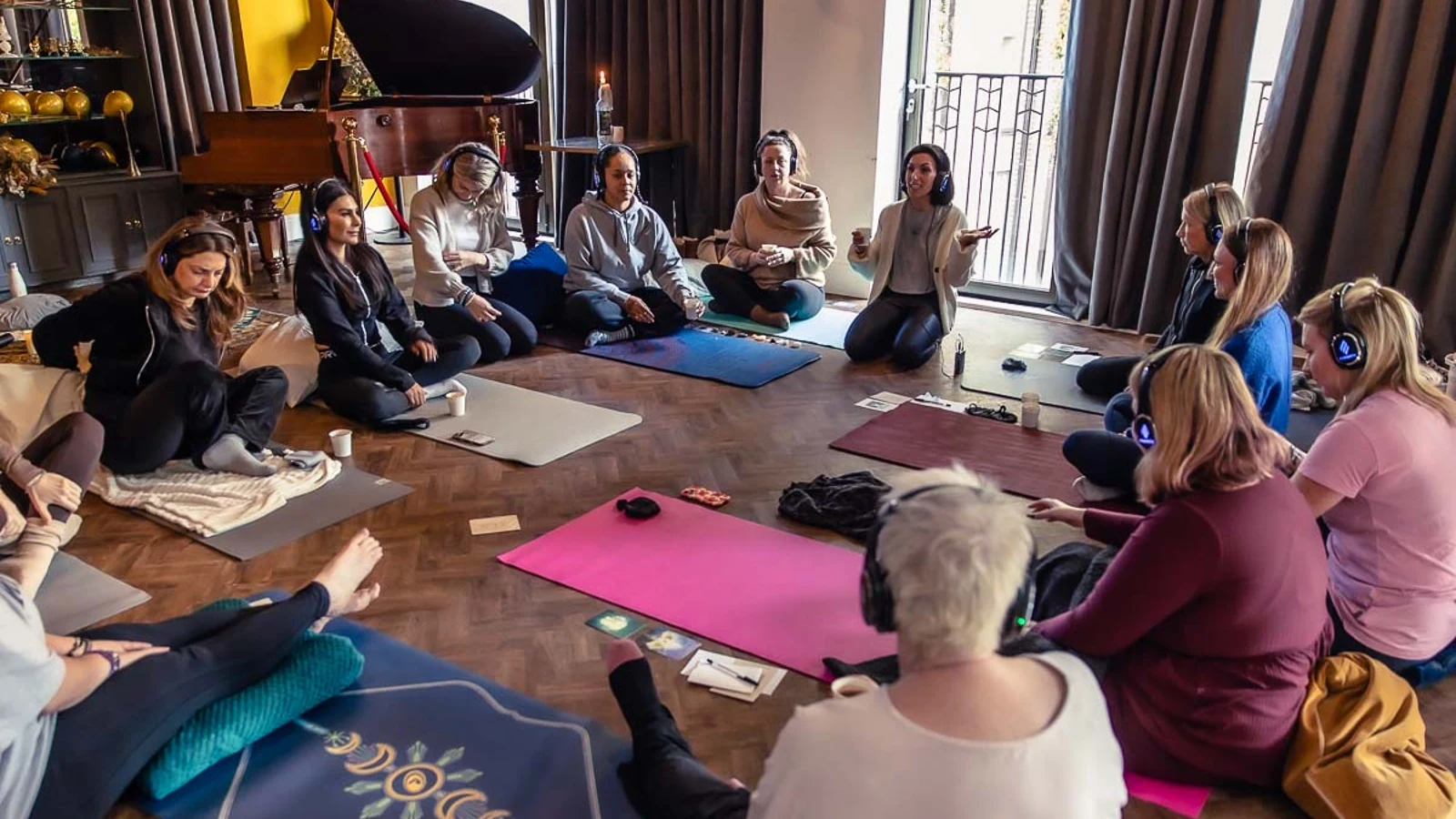
Breathwork is the practice of deliberately changing the way you breathe, the pace, the depth and the rhythm, to shift how your body and mind feel. It works because your breath is the one part of your nervous system you can steer on purpose, so when you change it, the rest of you starts to listen.
I'm Naomi Buff, a Bionic Breathwork Master Trainer based in Tunbridge Wells, Kent, and I guide women through breathwork online and in person. I found breathwork in 2017, in a toxic marriage, burnt out from chronic fatigue syndrome and feeling completely lost and isolated. It gave me something that felt completely unfamiliar, calm and hope.
If you're exhausted, wired and tired of trying to think your way better, this guide covers what breathwork is, how to stay safe and how to find breathwork in the UK that feels right for you.
What is breathwork?
Breathwork is an umbrella word for any practice where you breathe with intention. Some styles are slow and soothing. Others are deeper and guided, using a continuous breath and music to move you out of your thinking mind and into your body, where so much of what you've carried has been sitting. It's something you do, not something you think about, which is why it so often reaches places years of reading and talking haven't.
What breathwork is
- Breathing with intention to change how you feel
- A way to work with your nervous system through the body, not the mind
- Something you can do at home or in a guided session
What breathwork isn't
- Just "deep breathing"
- Therapy, or a replacement for medical care
- A quick fix
- Something you have to be good at
How does breathwork actually work?
Your nervous system has two broad modes. One is the stress response, fight, flight or freeze, where your heart speeds up, your muscles brace and your mind races. The other is the rest-and-restore state, where your body can repair, sleep and soften.
When the stress response never switches off, you end up wired but tired, exhausted yet waking at 3am with your mind racing.
Your breath is both automatic and under your conscious control, which makes it one of the few direct levers into that system. Change its rhythm and you send your brain a different message about whether you're safe. It's also why you can't think your way out of this one, because your body listens to your breath far more than it listens to your thoughts. My posts on nervous system regulation for women and why you can't sleep in midlife go deeper.
During breathwork, many women find that:
- Breathing and heart rate may settle, especially with a longer exhale
- Tension they didn't know they were holding may soften
- Faster breathing may shift carbon dioxide levels, bringing tingling or temperature changes
- The busy mind may quieten, making room for emotion and insight
What are the different types of breathwork?
Here are six styles you're most likely to come across in the UK.
| Type | What it involves | Intensity | Best for | Facilitator needed? |
|---|---|---|---|---|
| Bionic Breathwork | A circular breath guided with music and subconscious cues, with headphones in groups | Medium to deep | Releasing stored tension and emotion | Yes, a certified Bionic facilitator |
| Holotropic Breathwork | Developed by Stanislav and Christina Grof. Faster breathing to evocative music over a long session, often in pairs | Deep | Experienced breathers | Yes, a certified Holotropic facilitator |
| Conscious Connected Breathwork | A continuous breath with no pause between inhale and exhale | Medium to deep | Emotional release | Recommended |
| Wim Hof Method | Rounds of deep breaths and breath holds, often with cold exposure | Medium to high | Energy and resilience | No, but never in water or while driving |
| Box Breathing | Equal counts of in, hold, out, hold, often four | Gentle | Calming down quickly | No |
| Coherent / resonant breathing | Slow, even breathing at around five to six breaths a minute | Gentle | Everyday calm and winding down | No |
I'd tried so many modalities, healing sessions and therapy sessions, and nothing had any lasting impact until conscious connected breath, the bridge that finally worked. Then in 2023 I found Bionic Breathwork through a friend who was hosting the teacher training, and I just knew I had to be there. If you'd love it tailored entirely to you, explore my 1:1 Bionic Breathwork.
What does a breathwork session feel like?
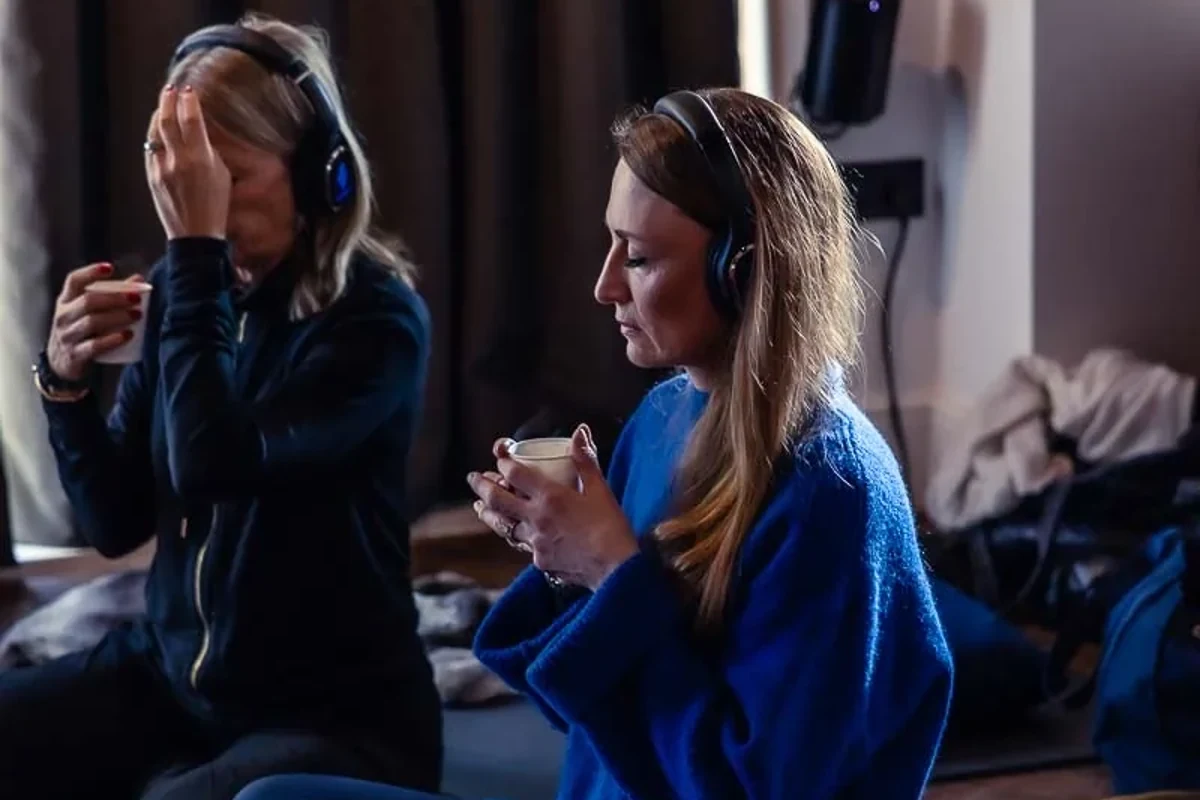
You settle onto a mat under a blanket and lie down, and at my group events mats, blankets, eye masks and headphones are all provided. We start slowly, calming the nervous system first. Then I guide you into a circular breath set to music, and your only job is to follow my voice. We close in stillness and integration, so you leave grounded and back inside yourself.
| Layer | What you might notice | What's happening |
|---|---|---|
| The body | Tingling, waves of energy, gentle shaking, temperature shifts | Your nervous system may be letting go of tension held for years |
| The emotions | Grief, anger, sadness or joy, tears or laughter | Feelings you've pushed down finally have space to move |
| Your inner knowing | Insight, inner guidance, a sense of being held | You may reconnect with your intuition and the part of you that already knows |
Tingling hands and feet, waves of emotion, laughter, tears, heat, cold and deep stillness are all normal. There's no right way to experience it, and you can always slow down.
What are the benefits of breathwork?
- It may help release stored tension and emotion
- Many women find it calms a wired nervous system
- It may support better rest
- Many women find more clarity for what comes next
- It may help you reconnect to your intuition
- Many women find they feel at home in their body again
Consistency matters more than intensity, because your nervous system learns safety through repetition. That rhythm is what my monthly breathwork membership is built around, where we breathe live online around the New and Full Moon.
Is breathwork safe?
Gentle breathing is safe for most healthy adults, but deeper styles like Bionic Breathwork involve intense breathing and aren't for everyone.
| Speak to your GP first if you have... | What a qualified facilitator should do |
|---|---|
| Pregnancy | Check your health with a screening form or waiver |
| Epilepsy or seizures | Ask for your informed consent |
| Heart conditions, high blood pressure or a history of aneurysm | Offer gentler options |
| Glaucoma or a detached retina | Hold you in a trauma-informed way |
| Recent surgery or injury | Give you aftercare |
| Severe mental health conditions such as psychosis or bipolar disorder | Know when a session isn't right and signpost you |
| A history of panic attacks (proceed gently) | Let you slow down or stop at any point |
Before you breathe with me, you'll complete a waiver that checks your health and gives your consent to the practice. I'm trauma-informed, so you'll always have options and choice.
This guide is educational and isn't a substitute for medical advice. If you have a health condition, speak to your GP before starting breathwork.
How do I start breathwork in the UK?
| Way in | What it is | Best if you... | Link |
|---|---|---|---|
| Free practice | A free guided practice | Want to try it at home first | Get the free breathwork practice |
| Group breathwork events | In-person Bionic Breathwork | Want to experience it held, in a room of women | See group breathwork events |
| Sound baths | Candlelit sound baths | Want something gentle to begin with | Explore candlelit sound baths |
| Cosmic Breathwork Collective | Online moon-aligned membership | Want a monthly rhythm and community | Join the Cosmic Breathwork Collective |
| 1:1 breathwork | A private five-week container | Want private, personal support | Explore 1:1 breathwork with Naomi |
| Teacher training | Four-day Bionic Breathwork certification | Feel called to guide others | Bionic Breathwork teacher training |
"I spent years trying things to help me feel better, and breathwork was the first thing that gave me calm and hope. Now I get to hold the most incredible, magical spaces for women to find that same feeling, and it is life changing!"
Naomi Buff, Bionic Breathwork Master Trainer
How do I choose a qualified breathwork facilitator?
Breathwork isn't a regulated profession in the UK, so ask before you book.
- What training and certification do you hold?
- Do you check my health before the first session?
- Are you trauma-informed?
- Are you insured?
- What aftercare do you offer?
- How do you hold strong emotions in the room?
- Can we talk first?
To see what proper training looks like, here's how I train breathwork facilitators.
Breathwork questions, answered
Is breathwork scientifically proven?
Breathwork isn't proven in the way a medicine is, but research is promising and growing. Studies suggest breathing practices may help lower stress and support mood, though many trials are small and researchers want better ones. The most useful test is how it feels in your own body.
How often should I do breathwork?
There's no fixed rule, but consistency matters more than intensity. Many women find a few minutes of gentle breathing on most days, plus a deeper guided session once or twice a month, works well. Start small and build a rhythm you can keep.
Can I do breathwork at home?
Yes, gentle styles like box breathing and coherent breathing are safe for most healthy adults at home. Deeper styles such as conscious connected breathwork are best learned with a qualified facilitator first. A guided recording, like Naomi Buff's free breathwork practice, is an easy place to begin.
Why do my hands tingle during breathwork?
Tingling in your hands and feet is one of the most common breathwork sensations and is usually harmless. Faster breathing changes the carbon dioxide balance in your blood, which can cause tingling or buzzing. It fades when you return to normal breathing.
Is breathwork the same as meditation?
No. Meditation usually asks you to observe your breath without changing it, while breathwork asks you to actively change the way you breathe. Many women who struggle to sit still with a busy mind find breathwork easier, because it gives the mind something to do.
Can breathwork help with anxiety?
Breathwork may help some people feel calmer, and slow breathing is often used to settle the stress response. It isn't a treatment for an anxiety disorder or a replacement for medical care. If you experience panic attacks, start gently and speak to your GP first.
Is online breathwork as good as in person?
Online breathwork can be just as powerful, and many women love breathing at home, wrapped in their own blankets. In person, you get the held energy of a whole room breathing together. Neither is better, it depends on what you need right now.
Where can I find breathwork near me in Kent or London?
Naomi Buff, a Bionic Breathwork Master Trainer based in Tunbridge Wells, runs in-person breathwork in Kent, but most of her work is online. That means wherever you are in the UK, London included, you can breathe with her through the Cosmic Breathwork Collective or 1:1 sessions.
You don't have to have it all figured out to start. You just need to be a little curious, and willing to let your body show you what your mind hasn't been able to.
If something in you is ready to try, start with my free breathwork practice. Twenty minutes, at home, in your own time.
Or come into the room at one of my group breathwork events.